
 The First Impression Matters More Than You Think
 The First Impression Matters More Than You Think
Bringing a new dog home is one of the most exciting—and influential—moments in your dog’s life.
What many dog owners don’t realize is this:
the first days and weeks shape your dog’s confidence, behavior, and emotional stability long-term.
When you start early, stay calm, and guide your dog with clarity, you don’t just prevent unwanted behaviors—you build a dog who feels safe, secure, and balanced in the world.
In this guide, we’ll walk you through:
- How to start leash training right away
- The right way to socialize your dog
- How to handle reactivity early
- And how to build calm, confident behavior from day one
START WALKING EARLY: CONFIDENCE BEGINS HERE
 START WALKING EARLY: CONFIDENCE BEGINS HERE
One of the biggest mistakes new dog owners make is waiting too long to begin walks.
Early, structured walks help your dog:
- Build environmental confidence
- Learn to follow your lead
- Process new sights, sounds, and experiences calmly
Best Practices for Early Walks:
- Keep the leash loose and relaxed
- Move at a calm, steady pace
- Allow observation without forcing interaction
- Reward calm behavior consistently
What If Your Dog Reacts?
It’s completely normal for a new dog to:
- Bark at strangers
- Lunge toward other dogs
- Freeze in unfamiliar situations
The key is how you respond.
Instead of reacting emotionally, guide your dog with clarity:
- Stay calm
- Create space
- Gently interrupt fixation
- Redirect attention back to you
- Reward calm focus
This pattern builds trust and teaches your dog how to regulate their behavior.
SOCIALIZATION: WHAT IT REALLY MEANS
 SOCIALIZATION: WHAT IT REALLY MEANS
Socialization is one of the most misunderstood parts of dog training.
It does not mean letting your dog meet every person or play with every dog.
True socialization means:
- Exposure without pressure
- Learning neutrality
- Building confidence in new environments
Healthy Socialization Looks Like:
- Calmly observing people and dogs
- Walking past distractions without reacting
- Feeling safe in unfamiliar places
Introduce Your Dog To:
- Different environments (parks, neighborhoods, pet-friendly stores)
- Various sounds (traffic, doors, voices)
- Different surfaces (grass, pavement, sand)
 The goal is not excitement—it’s calm confidence.
MEETING PEOPLE: LESS IS MORE
 MEETING PEOPLE: LESS IS MORE
It’s natural to want everyone to meet your new dog—but too much attention too quickly can create overstimulation and anxiety.
Set Your Dog Up for Success:
- Keep greetings short and calm
- Avoid letting your dog jump or rush
- Advocate for your dog’s space
Your dog doesn’t need to love everyone—they need to feel safe and secure with you leading the interaction.
DOG-TO-DOG INTERACTIONS: BUILDING BALANCE
 DOG-TO-DOG INTERACTIONS: BUILDING BALANCE
Early dog interactions should be intentional, not chaotic.
Focus on:
- Calm, well-balanced dogs
- Parallel walking before direct interaction
- Reading body language carefully
If your dog becomes overstimulated:
- Gently interrupt the behavior
- Redirect their attention
- Reward calm disengagement
This teaches your dog that they don’t need to react to every dog they see.
WHY STARTING EARLY MATTERS
 WHY STARTING EARLY MATTERS
Dogs learn quickly—especially in new environments.
When you start early, you:
- Prevent unwanted behaviors from becoming habits
- Build confidence before fear develops
- Establish yourself as a calm, consistent leader
Waiting often allows:
- Anxiety to grow
- Reactivity to develop
- Confusion about expectations
Early guidance creates clarity—and clarity builds confidence.
THE FOUNDATION METHOD: INTERRUPT, REDIRECT, REWARD
 THE FOUNDATION METHOD: INTERRUPT, REDIRECT, REWARD
At the heart of effective, positive training is a simple, powerful framework:
1. Interrupt
Gently stop unwanted behavior in the moment.
2. Redirect
Guide your dog toward the behavior you want.
3. Reward
Reinforce calm, correct choices immediately.
HOW DOGGIE DON’T SUPPORTS THIS PROCESS
 HOW DOGGIE DON’T SUPPORTS THIS PROCESS
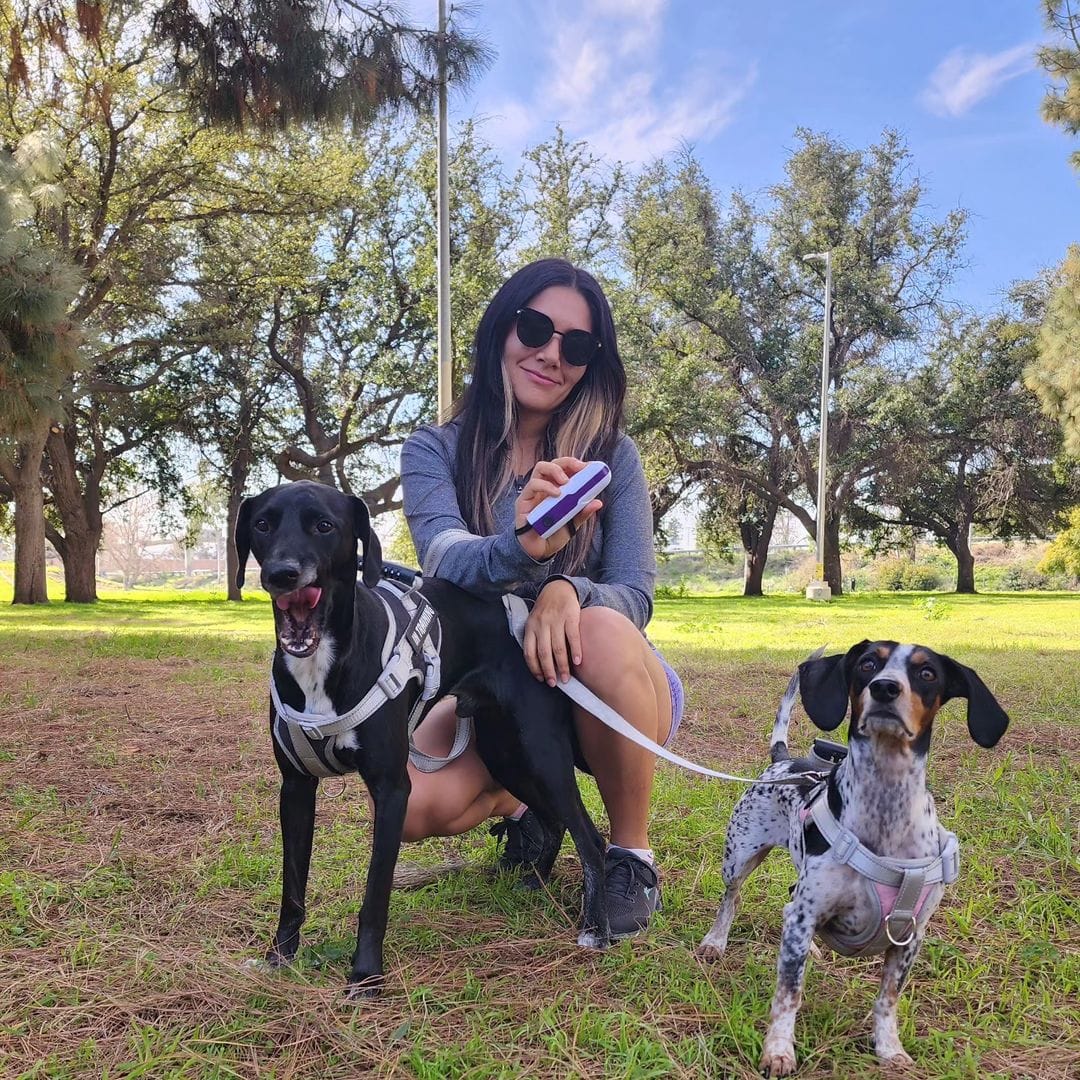
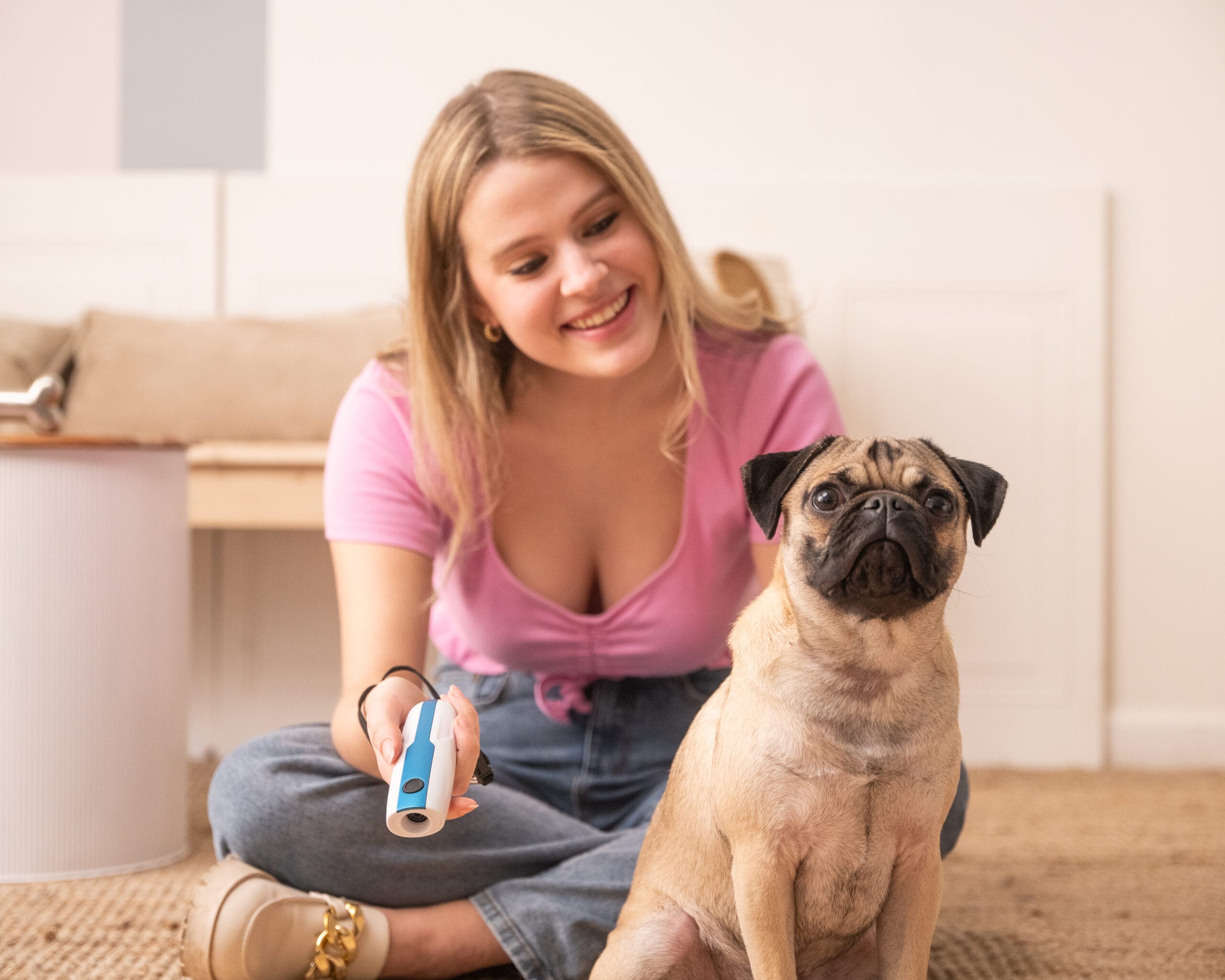
A gentle, audible interruption tool like Doggie Don’t can support this process in a safe and effective way.
It helps:
- Break fixation on triggers
- Reset your dog’s attention
- Create a clear moment for redirection
When used correctly, it:
- Complements positive reinforcement training
- Supports consistency at home and on walks
- Helps dogs learn without fear or force
It’s not a replacement for training—it’s a support tool that enhances communication and clarity.
FINAL THOUGHTS
 FINAL THOUGHTS
Bringing a new dog home isn’t just about teaching commands—it’s about shaping how your dog experiences the world.
When you:
- Start early
- Stay calm
- Guide with clarity
- Reinforce positive behavior
You create a dog who:
- Feels safe
- Trusts you deeply
- Moves through life with confidence and ease
And that changes everything.