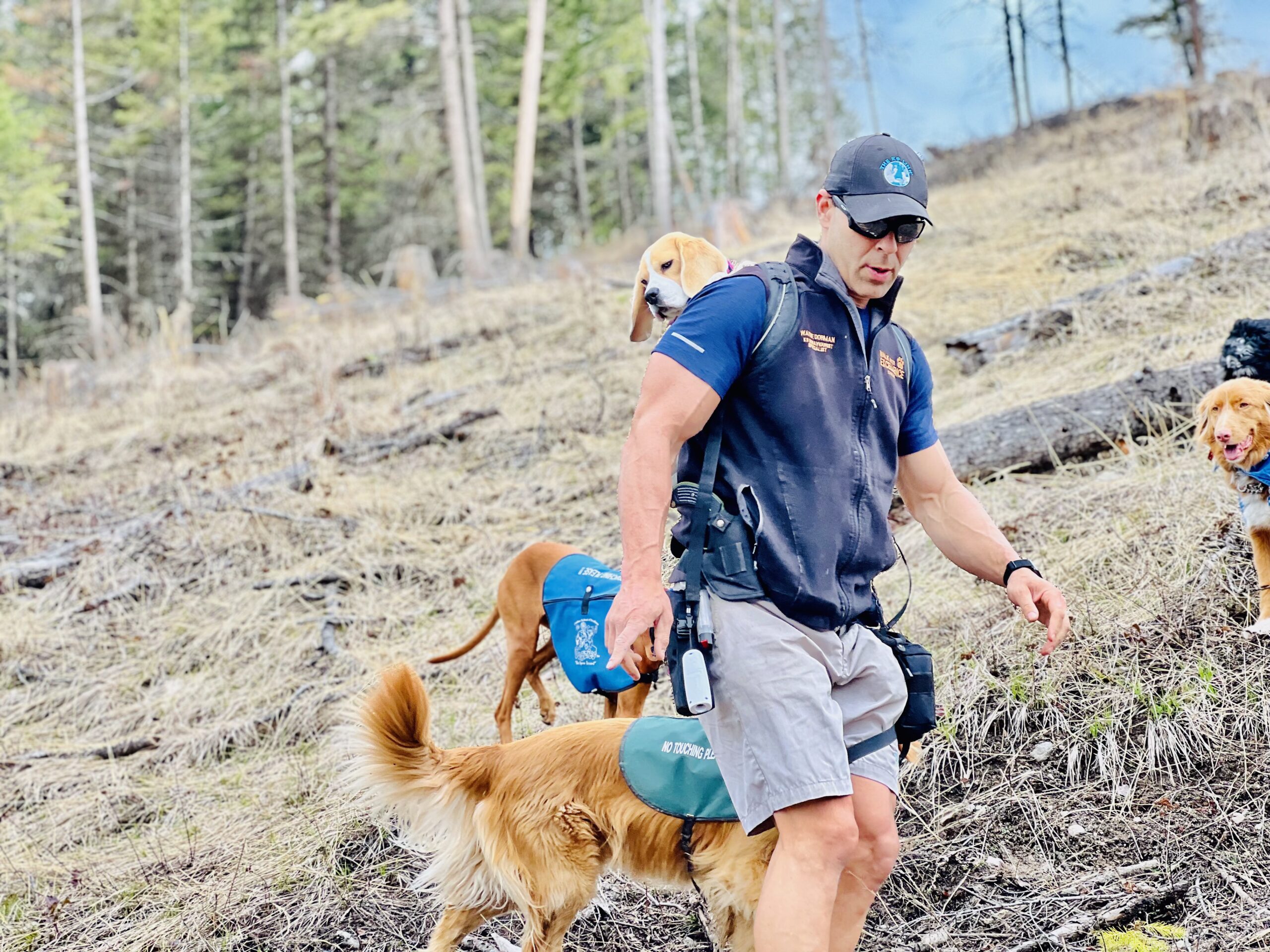


How to Teach It Effectively — and How the Doggie Don’t Device Can Support Positive Training
When it comes to dog training, few commands are as important as “Leave It.”
This simple cue is more than just a training exercise — it is a critical safety command that can help protect your dog both inside and outside the home.
From dangerous food on the sidewalk to toxic household items, wildlife distractions, other dogs, or unsafe objects at the dog park, the ability to interrupt and redirect your dog’s focus can make all the difference.
At Doggie Don’t, we believe in humane, reward-based training methods that help dogs learn calmly and confidently. The Doggie Don’t audible interruption device is designed to support positive reinforcement by helping interrupt unsafe or unwanted behavior in the moment so you can redirect and reward the correct choice.
Our training philosophy is simple:
Interrupt → Correct → Redirect → Reward
What Does the “Leave It” Command Mean?
The “Leave It” command teaches your dog to disengage from something they are interested in and shift their focus back to you.
This could include:
- Food dropped on the floor
- Garbage or dangerous objects
- Wildlife or birds
- Another dog
- Human food that could be toxic
- Shoes, cords, or household items
- People passing by on walks
- Unsafe items on hiking trails
- Counter surfing or food stealing
- Reactivity triggers
The goal is not punishment.
The goal is teaching your dog self-control, focus, and trust.
Why “Leave It” Is So Important for Dog Safety
1. It Helps Prevent Emergencies
Dogs explore the world with their mouths. Unfortunately, that can sometimes put them in danger.
A strong “Leave It” command can help prevent your dog from grabbing:
- Chicken bones
- Toxic foods
- Medications
- Cigarettes or vape cartridges
- Sharp objects
- Poisonous plants
- Dead animals
- Harmful substances on walks
Many emergency vet visits happen because a dog grabbed something before the owner could react.
Teaching “Leave It” creates an extra layer of protection.
2. It Improves Walks and Public Behavior
If your dog lunges toward distractions, pulls toward another dog, or becomes overly focused on something in the environment, “Leave It” helps redirect attention back to you.
This is especially important for:
- Leash reactivity
- Excitement around other dogs
- Squirrels and birds
- Food on sidewalks
- Crowded environments
- Outdoor cafés
- Parks and hiking trails
Dogs thrive when they understand boundaries clearly and calmly.
3. It Builds Confidence and Communication
Dogs feel more secure when communication is consistent.
The “Leave It” command teaches your dog:
- Impulse control
- Focus
- Emotional regulation
- Trust in your leadership
- Calm decision-making
This creates a healthier relationship between dogs and their humans.
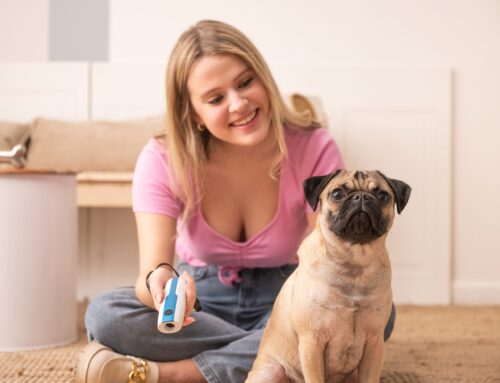
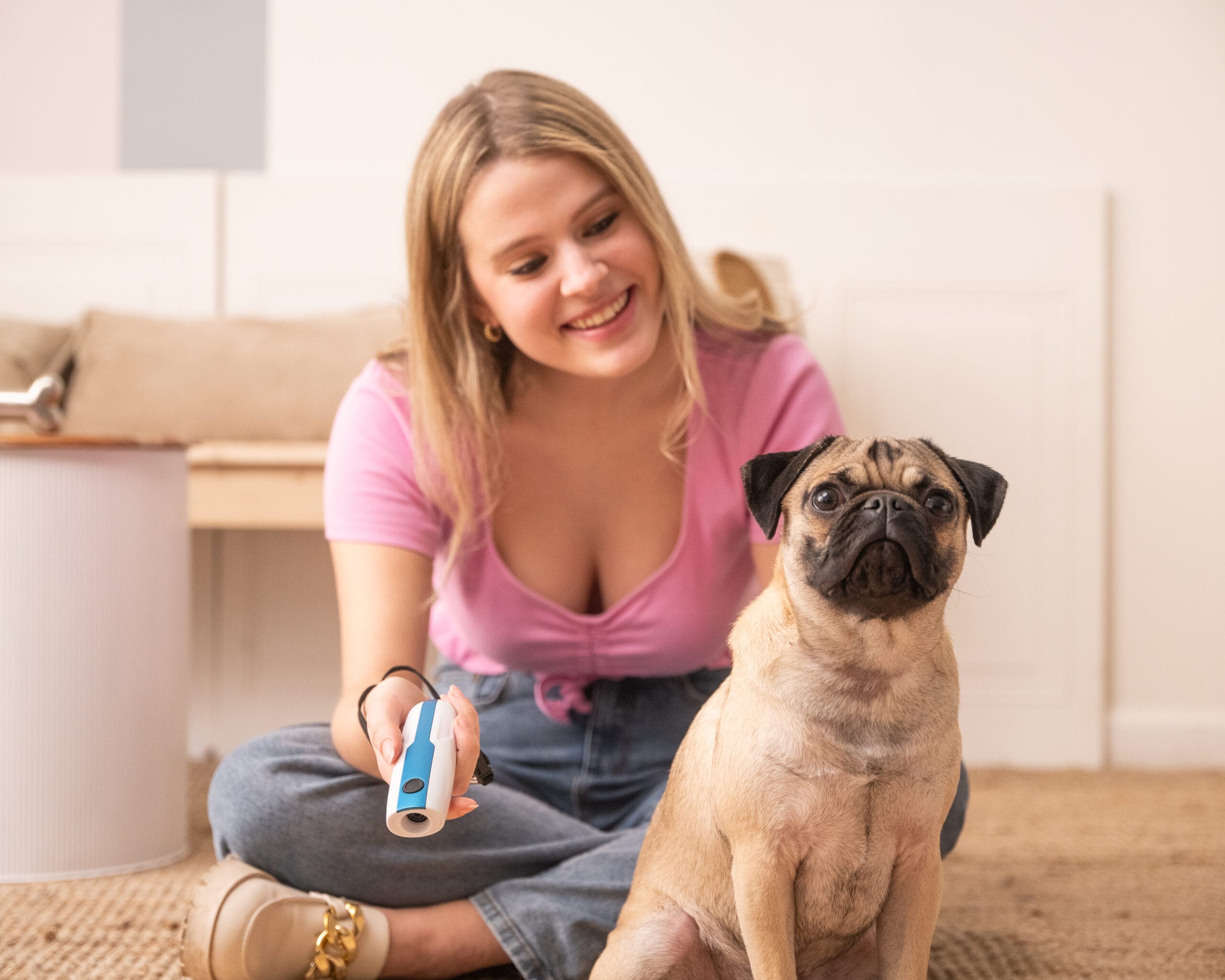
The Doggie Don’t Device is an audible sound interruption tool designed to help break intense focus during unwanted behavior so you can redirect your dog successfully.
It is not a punishment tool and it does not replace training.
Instead, it helps create a brief interruption moment that allows the dog to disengage and refocus.
For example:
Your dog spots food on the sidewalk and becomes fixated.
You calmly say:
“Leave it.”
If your dog is too locked in to respond, the Doggie Don’t audible interruption can help break that fixation long enough for you to redirect attention back to yourself and reward the correct behavior.
That reward piece is critical.
The sequence becomes:
- Interrupt unsafe focus
- Redirect attention
- Reinforce the correct choice
- Reward calm behavior
Over time, dogs begin learning that disengaging from the distraction leads to positive outcomes.
How to Teach the “Leave It” Command
Step 1: Start Small Indoors
Begin in a quiet environment with minimal distractions.
Place a treat in your closed hand and allow your dog to investigate.
The moment your dog backs away or stops trying to get it:
- Mark the behavior with “Yes!”
- Reward with a different treat
Repeat consistently.
Step 2: Add the Verbal Cue
Once your dog understands the concept, begin adding the words:
“Leave It.”
Stay calm and consistent.
Avoid yelling or creating tension.
Step 3: Practice With Real-Life Situations
Gradually work up to:
- Food on the floor
- Toys
- Doorways
- Walk distractions
- Other dogs
- Outdoor environments
Training should happen in many locations so your dog learns the cue everywhere — not just at home.
Step 4: Reward Success Generously
Dogs repeat behaviors that are reinforced.
Praise, treats, affection, and calm encouragement help build reliable responses.
Positive reinforcement creates stronger long-term results than fear or punishment-based methods.
Common Mistakes People Make
Repeating the Command Too Many Times
Avoid saying:
“Leave it… leave it… leave it…”
Instead:
- Give the cue once
- Interrupt if needed
- Redirect calmly
- Reward success
Waiting Until the Dog Is Overstimulated
Training works best before your dog reaches maximum excitement or fixation.
Practice proactively.
Forgetting to Reward
The reward teaches your dog that making the correct choice benefits them.
Without reinforcement, the behavior becomes weaker over time.
The “Leave It” Command Creates Freedom
Many people think boundaries limit dogs.
In reality, training creates more freedom and safety.
A dog that understands “Leave It” can more safely:
- Go on walks
- Visit parks
- Enjoy hikes
- Be around guests
- Navigate busy environments
- Participate in everyday life with confidence
Training is communication.
And clear communication helps dogs succeed.
Final Thoughts
The “Leave It” command is one of the most valuable tools you can teach your dog.
It protects them from danger, improves focus, strengthens your relationship, and creates safer experiences both at home and in the real world.
When paired with positive reinforcement and calm leadership, the Doggie Don’t Device can help support that training process by interrupting intense focus and helping dogs redirect attention more effectively.
The goal is never fear.
The goal is guidance, communication, safety, and trust.
Because every dog deserves the opportunity to learn successfully — and every owner deserves tools that support that journey with kindness and consistency.