The holiday season is a time of joy, connection, and celebration—but for our dogs, Christmas can quietly become one of the most dangerous times of the year.
From festive foods and decorations to guests, noise, and disrupted routines, the holidays introduce many unfamiliar risks into your dog’s environment. According to veterinarians and animal safety experts, emergency vet visits spike during the holidays due to preventable household hazards.
The good news? With awareness, preparation, and the right tools, you can keep your dog safe, calm, and happy all season long.
This guide covers Christmas safety tips for dogs, common holiday dangers to avoid, and how humane, positive-reinforcement tools—like the Doggie Don’t® Device—can support safer behavior during busy holiday moments.
1. Holiday Foods That Are Dangerous for Dogs
One of the biggest holiday hazards for dogs is human food. While sharing feels loving, many Christmas favorites can be toxic or even life-threatening.
Foods to Keep Away From Dogs:
- Chocolate (especially dark and baking chocolate)
- Xylitol (found in sugar-free desserts, gum, and baked goods)
- Grapes and raisins
- Onions, garlic, and chives
- Cooked bones (turkey, ham, chicken)
- Fatty foods (gravy, butter, skin, bacon grease)
- Alcohol and eggnog
Dogs are opportunistic by nature—especially when counters and coffee tables are full.
Pro tip: During food prep and parties, use gentle interruption tools to prevent counter surfing and food stealing before it becomes a habit.
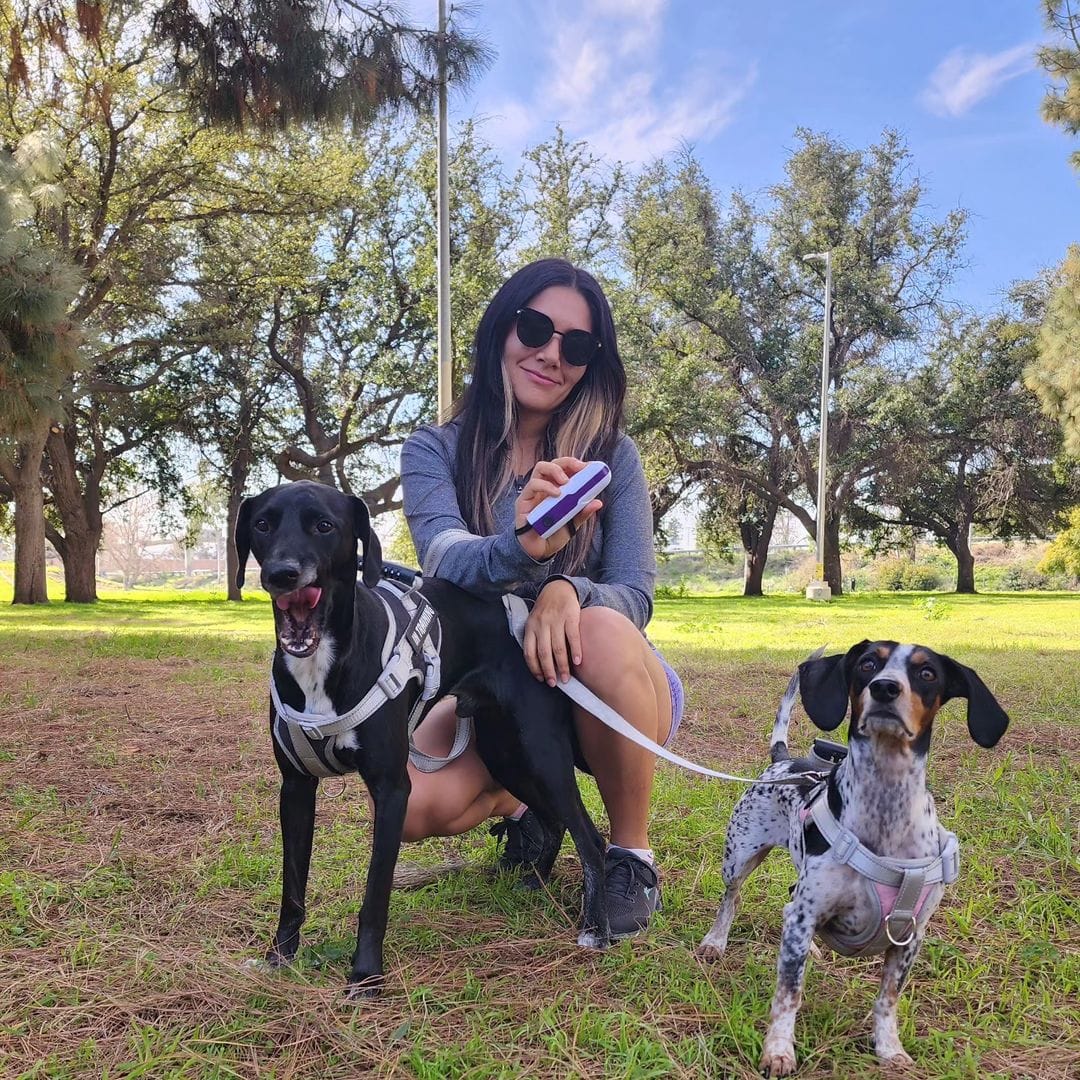
The Doggie Don’t® Device offers a loud, audible sound interruption that safely gets your dog’s attention in the moment—allowing you to redirect and reward appropriate behavior without fear, pain, or punishment.
2. Christmas Trees, Decorations & Electrical Hazards
A beautifully decorated home can quickly turn into a danger zone for curious dogs.
Common Decoration Risks:
- Tinsel (can cause intestinal blockages)
- Glass ornaments (shatter hazards)
- Tree water (often contains preservatives)
- Edible ornaments or garlands
- Electrical cords and light wires
Puppies and young dogs are especially vulnerable, but even adult dogs can be tempted by new smells and textures.
Safety Tips:
- Secure your tree to prevent tipping
- Avoid tinsel altogether
- Keep ornaments higher on the tree
- Cover or block access to cords
- Use pet-safe decorations whenever possible
If your dog approaches decorations or cords, a calm, immediate interruption followed by redirection can prevent dangerous exploration.
3. Candles, Fireplaces & Open Flames
Holiday ambiance often includes candles, fireplaces, and heaters—but these introduce serious burn and fire risks.
Dogs can:
- Knock over candles with tails
- Singe fur near fireplaces
- Burn paws on heaters
- Panic at unexpected flames or sounds
Never leave open flames unattended, and always create a safe perimeter around heat sources.
4. Guests, Noise & Overstimulation
Christmas brings unfamiliar people, children, noise, music, and excitement. Even friendly dogs can feel overwhelmed.
Common Holiday Behavior Challenges:
- Jumping on guests
- Excessive barking
- Door dashing
- Anxiety or stress behaviors
- Overexcitement around kids
This is where timing and clarity matter.
The Doggie Don’t® Device is designed to:
- Interrupt unwanted behaviors in real time
- Support calm redirection
- Complement positive reinforcement training
- Help dogs reset attention without fear
Used correctly, it helps reinforce boundaries while maintaining trust—especially in busy, high-energy environments.
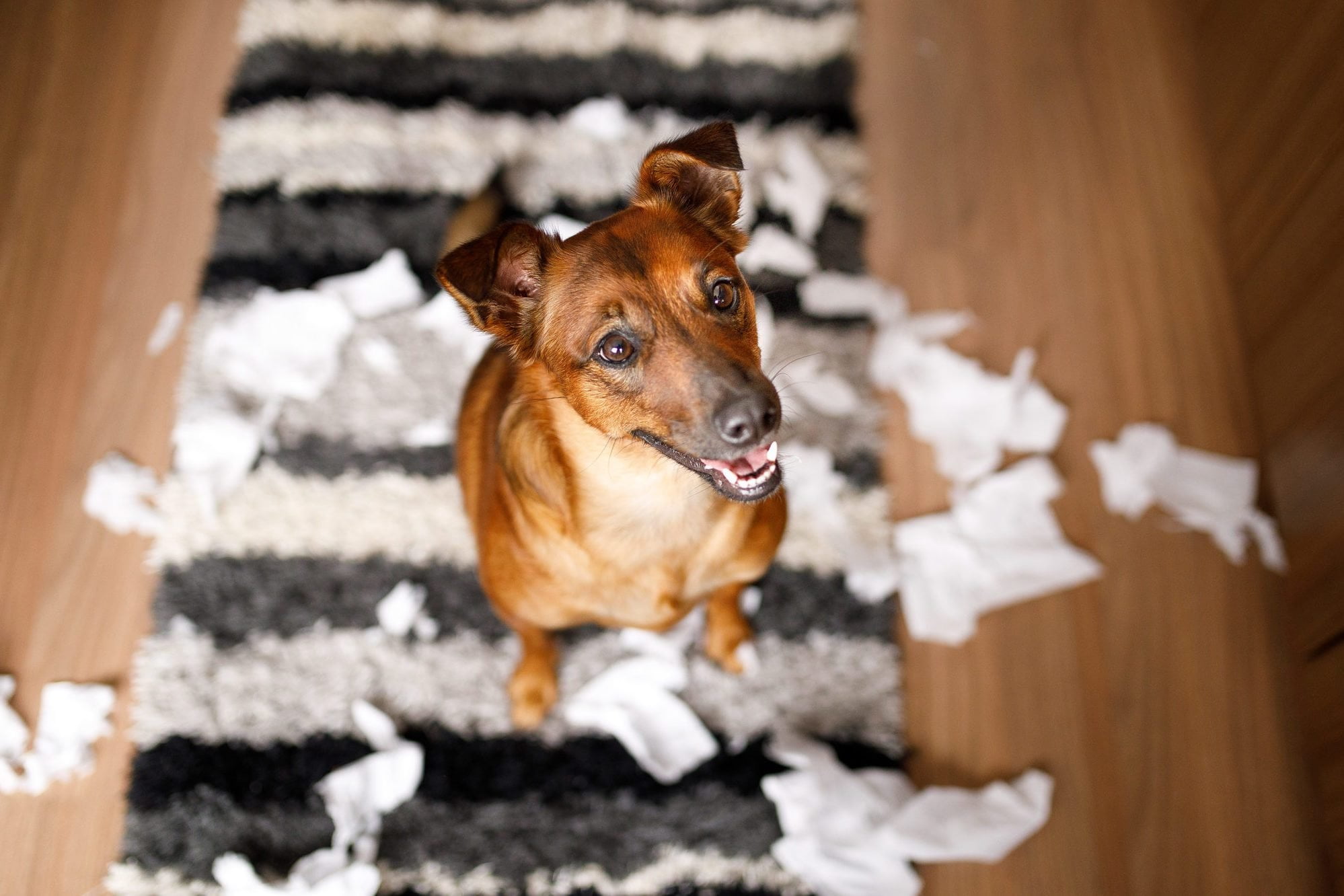
5. Wrapping Paper, Ribbons & Holiday Trash
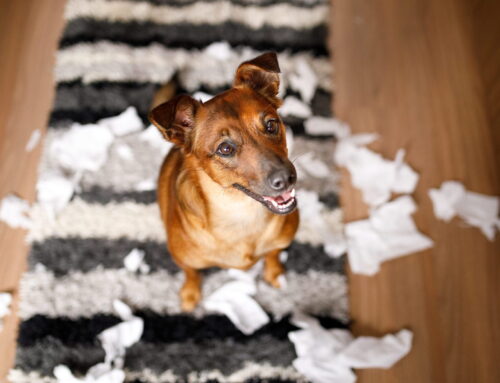
After the gifts are opened, the mess itself becomes a hazard.
Dangerous Items Dogs May Ingest:
- Ribbon and bows
- Wrapping paper
- Tape
- Batteries from toys
- Small plastic pieces
Ingestion can lead to choking or intestinal blockage—often requiring emergency surgery.
Clean up promptly and supervise dogs during gift-opening chaos.
6. Holiday Plants That Are Toxic to Dogs
Many popular Christmas plants are toxic if chewed or ingested.
Plants to Avoid:
- Poinsettias
- Mistletoe
- Holly
- Amaryllis
- Christmas cactus
Keep plants out of reach or opt for pet-safe alternatives.
7. Why Holiday Safety Is About Prevention, Not Punishment
Dogs don’t understand “holiday rules.” They understand patterns, timing, and clarity.
Effective holiday safety is about:
- Preventing access to danger
- Interrupting unsafe behavior early
- Redirecting to appropriate alternatives
- Rewarding calm, desired behavior
The Doggie Don’t® Device was created to support exactly this process:
Interrupt → Correct → Redirect → Reward
It is not a replacement for training, but a humane, sound-based tool that helps bridge the gap between intention and action—especially during busy, distracting moments like the holidays.
8. A Calmer, Safer Christmas for Your Dog
When dogs feel safe and guided, everyone enjoys the holidays more.
By dog-proofing your home, staying mindful of seasonal hazards, and using kind, effective communication tools, you protect both your dog’s physical safety and emotional well-being.
To learn more about humane, fear-free behavior interruption and how it supports positive training, visit
 www.thedoggiedontdevice.com