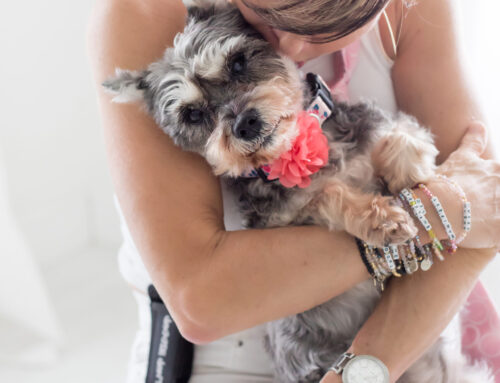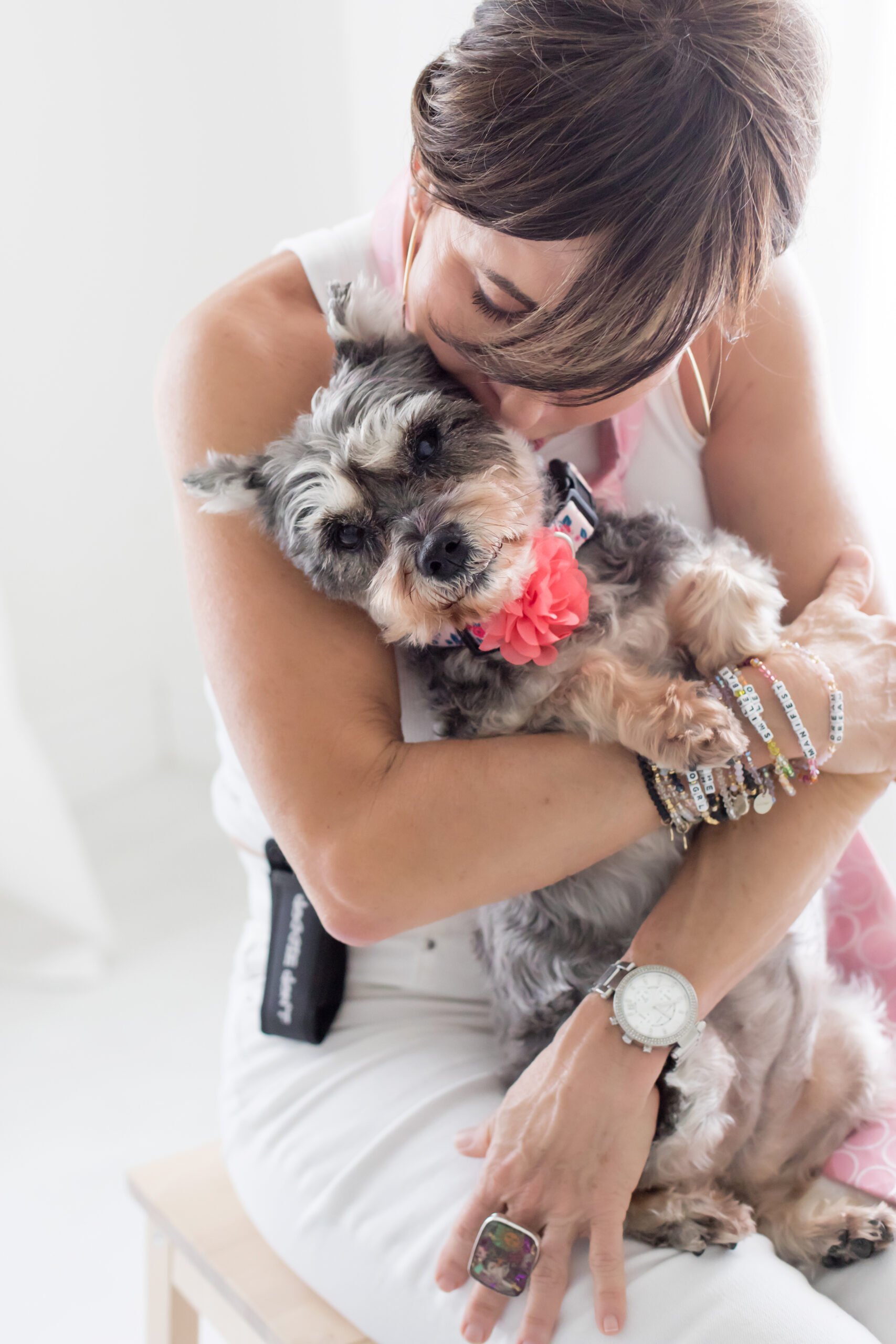

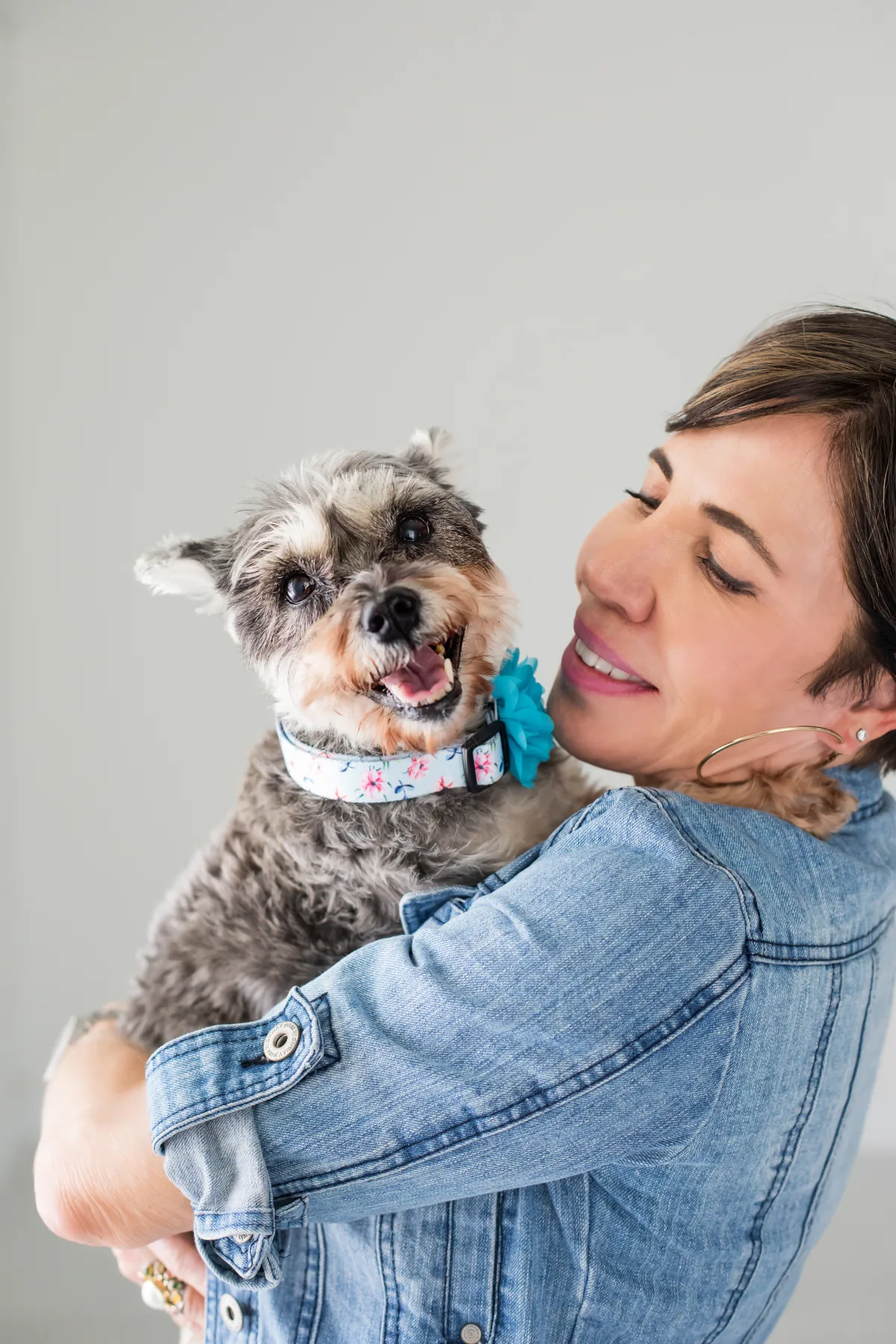
I’ve had my girl since she was a puppy.
Fourteen years ago, she was bright-eyed, fast, curious, and full of energy. We grew up together. We built a life together.
And now… she’s a senior.
Loving a senior dog is one of the most beautiful and most heart-wrenching experiences you will ever walk through.
Because their needs change.
And you have to change with them.
When You Realize Things Are Shifting
With age, I started noticing small differences:
She sleeps more.
She moves slower.
She doesn’t hear me the way she used to.
Her vision isn’t what it once was.
Sometimes she seems unsure of where she is.
At first, I kept expecting her to “bounce back.”
But aging isn’t something to fix.
It’s something to honor.
Senior dogs often experience:
- Arthritis and joint stiffness
- Reduced stamina
- Hearing loss
- Vision decline
- Cognitive changes or confusion
- Increased anxiety
And sometimes, the hardest part is accepting that the dog you knew is evolving into a quieter version of herself.
Learning New Ways to Communicate
When hearing fades, I’ve learned to use touch and eye contact.
When vision changes, I keep furniture in the same place and speak before I approach.
When anxiety creeps in, I lower my energy instead of raising it.
It’s no longer about big adventures.
It’s about small reassurances.
Consistency.
Soft voices.
Gentle presence.
Dogs adapt when we guide them calmly.
Signs Your Senior Dog May Be Losing Vision or Hearing
From personal experience, here’s what I’ve learned to watch for:
Vision changes:
- Bumping into furniture
- Hesitating at stairs
- Difficulty in low light
- Seeming unsure in new spaces
Hearing changes:
- Not responding to their name
- Sleeping through noises
- Startling when touched
- Less reaction to familiar sounds
The key is not to panic — but to adjust.
Dogs are incredibly resilient when their world stays predictable.
Keeping a Senior Dog Engaged
Engagement doesn’t mean intensity.
For us, it now looks like:
- Short, slow walks focused on sniffing
- Gentle cue practice to keep her mind active
- Soft enrichment games
- Calm bonding time
- Quiet praise
I’ve learned that even simple attention resets, followed by reassurance and reward, can help her stay present when she feels confused.
It’s not about correction.
It’s about grounding.
The Emotional Side No One Talks About
There are moments that feel heavy.
Moments where I see the years.
Moments where I miss the younger version of her.
Moments where I wonder if I’m doing enough.
But there is also something incredibly sacred about this stage.
She still looks for me.
She still leans into me.
She still trusts me.
The love is deeper now. Quieter. Steadier.
And I remind myself:
She has given me fourteen years of loyalty.
Now it’s my turn to give her patience.
How We Can Support Senior Dogs
If you’re walking this season too, here are gentle adjustments that matter:
- Orthopedic bedding
- Non-slip rugs
- Ramps instead of stairs
- Consistent daily routines
- Calm, predictable environments
- Regular veterinary checkups
Sometimes behavioral shifts are pain-related. Sometimes they’re cognitive. Either way, compassion leads the way.
A Final Thought
Senior dogs may not see clearly.
They may not hear perfectly.
They may move slower.
But they feel everything.
Your presence.
Your energy.
Your love.
And in this season, love becomes the most powerful form of support.
If you’re caring for a senior dog right now, I see you.
It can be heart-wrenching.
But it is also one of the greatest honors of our lives.


#seniordogs #bestfriend #lovingyourseniordog #changesasyourdogages
#olddogs