
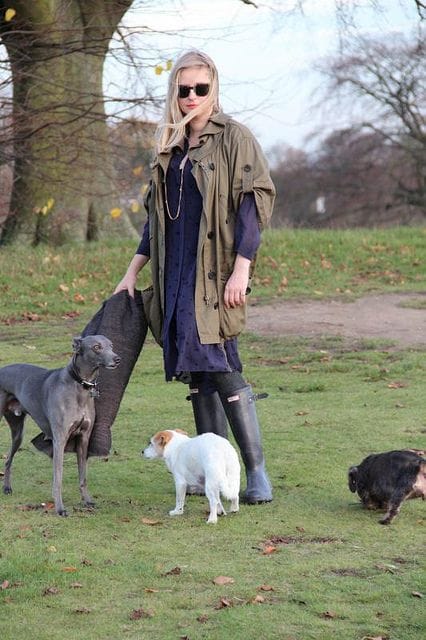
Being a loving dog parent is about more than affection. It’s about teaching your dog how to navigate the world safely and confidently.
We all love our dogs. We spoil them, cuddle them, buy them wonderful treats, and consider them part of our families.
But there’s something I’ve been thinking about lately: Are we doing enough to teach our dogs how to behave around other people and animals?
Responsible dog ownership goes far beyond what happens inside our homes. It includes how our dogs behave on walks, at dog parks, in the car, around visitors, and in public spaces.
No dog is perfect. Every dog has a unique personality, history, temperament, and learning curve.
But here’s the difference between having a dog with behavioral challenges and being an irresponsible dog owner:
Are you acknowledging the behavior, managing it appropriately, and actively working to improve it?
1. Dog Walking Etiquette: Are You in Control?
Walking your dog should be an enjoyable experience for both of you.
But what happens when your dog sees another dog?
Does your dog lunge, bark, pull, or become so excited that you struggle to maintain control?
These behaviors may result from excitement, frustration, fear, or leash reactivity. They don’t automatically mean your dog is aggressive.
However, they do mean your dog may need additional training and guidance.
Teaching skills such as loose-leash walking, “Look at Me,” “Leave It,” and an emergency U-turn can make everyday walks safer and more enjoyable.
Reward calm behavior, create distance when necessary, and practice in environments where your dog can succeed.
The goal isn’t to force your dog to love every other dog. It’s to teach your dog how to navigate encounters safely.
2. Dog Park Etiquette: Put the Phone Down!
This is a subject particularly close to my heart.
When you bring your dog to a dog park, you are responsible for supervising your dog.
That means paying attention!
Is your dog playing appropriately? Is another dog becoming overwhelmed? Is your dog jumping on people, playing too roughly, or ignoring another dog’s signals to stop?
Are you noticing when your dog needs a break?
And yes, are you paying attention when your dog goes to the bathroom so you can clean up?
Being at a dog park doesn’t mean everyone has agreed to be jumped on, soaked by wet dogs, or have unfamiliar dogs climbing into their laps.
“You’re at a dog park” is not an excuse for irresponsible behavior.
Other dog owners are not there to supervise or train your dog.
You are.
And remember, not every dog enjoys dog parks. For some dogs, a quiet walk, a structured playdate, or another enrichment activity is a much better choice.
3. Puppy Training: Cute Today, Problematic Tomorrow
We’ve all heard it.
“Oh, don’t worry! He’s just a puppy!”
Of course puppies are playful, energetic, curious, and sometimes mischievous.
But imagine a six-month-old puppy weighing 70 pounds who enthusiastically jumps on everyone.
Now imagine that same dog weighing 100 pounds as an adult.
Suddenly, the behavior isn’t quite so adorable.
Puppyhood is the perfect time to begin teaching appropriate greetings, impulse control, and personal boundaries.
Reward four paws on the floor. Practice calm greetings. Give your puppy appropriate outlets for energy and excitement.
Being a puppy explains behavior. It doesn’t mean we should ignore the opportunity to teach better behavior.
4. Dog Safety in Cars: Is Your Dog Properly Secured?
Responsible dog ownership also includes keeping your dog safe while traveling.
An unrestrained dog can distract the driver, interfere with vehicle controls, or become injured during a sudden stop or collision.
Consider a properly fitted, crash-tested travel harness or an appropriately secured travel crate.
And never allow your dog to ride loose in the back of an open pickup truck.
A safe dog is part of a safe journey.
5. Teaching Your Dog Boundaries When Guests Visit
Does your dog rush the front door when someone arrives?
Jump on guests?
Bark continuously?
Push into visitors who may not be comfortable around dogs?
Remember, not everyone loves dogs as much as we do, and even people who adore dogs may not appreciate being jumped on.
Teach your dog a reliable “Place” or “Stay” cue. Reward calm greetings and provide a quiet space when needed.
A well-managed introduction helps your dog feel more comfortable and allows guests to feel welcome.
6. Big Dogs, Small Dogs: The Responsibility Is the Same
Every dog deserves appropriate training, regardless of size.
A small dog that barks, lunges, or snaps shouldn’t automatically have its behavior dismissed because it’s little.
At the same time, larger and stronger dogs require particular consideration because their size and strength can increase the potential for injury.
This doesn’t mean large dogs are inherently more aggressive.
It simply means owners must understand the physical capabilities of their dogs and be prepared to manage them responsibly.
Good manners aren’t determined by a dog’s size. They’re developed through consistent guidance and training.
7. Before You Adopt: Are You Prepared for the Commitment?
One of the most important parts of responsible dog ownership happens before bringing a dog home.
Ask yourself:
- Do I have the time to exercise and train this dog?
- Does this breed or individual dog’s energy level fit my lifestyle?
- Can I meet this dog’s grooming, veterinary, and enrichment needs?
- Am I prepared to work through behavioral challenges?
- Can I afford professional training assistance if necessary?
- Am I willing to make a long-term commitment?
Choosing a dog based solely on appearance can be a mistake.
A dog’s temperament, exercise requirements, size, age, and individual needs should all be considered.
And when adopting a rescue dog, remember that adjustment takes time. Some dogs need additional patience, predictability, and professional guidance to feel secure.
8. Training Tools Are Not Substitutes for Training
At Doggie Don’t, we believe that education, consistency, and positive reinforcement are the foundations of successful dog training.
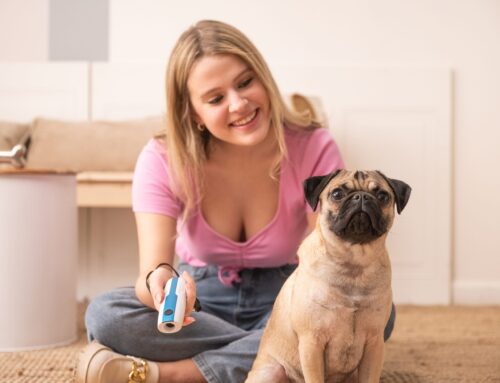
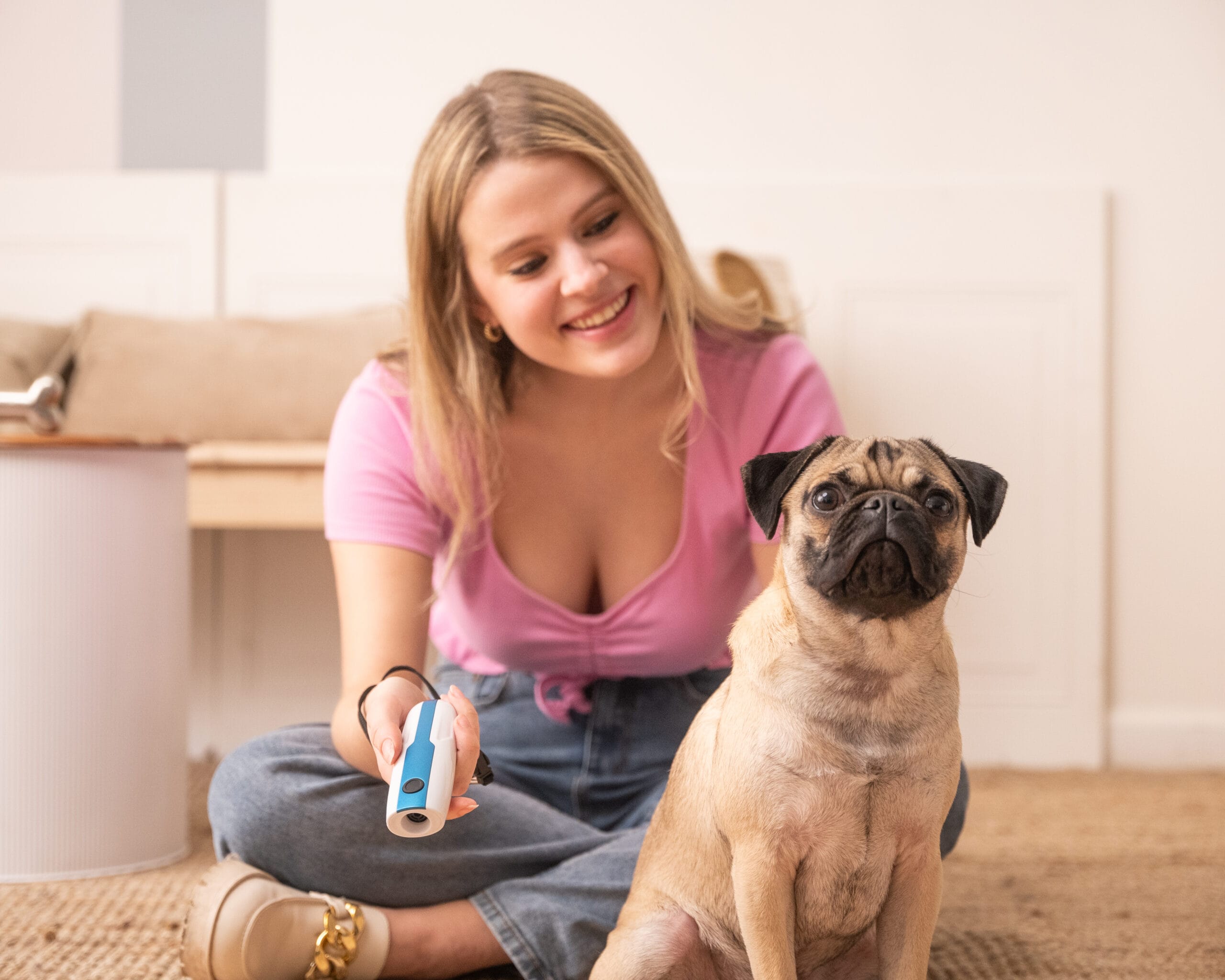
Our Doggie Don’t Device is a portable, ergonomically designed, sound-based behavior interruption tool intended to complement positive, reward-based training.
For dogs that respond comfortably to sound interruption, it may help interrupt unwanted fixation and create an opportunity to redirect attention and reward an appropriate behavior.
However, no training tool works for every dog, and sound interruption may be unsuitable for dogs that are fearful, sound-sensitive, or highly reactive.
Training tools should never be used to frighten or overwhelm a dog, and they should never replace the work involved in teaching new skills.
Our guiding philosophy is:
Interrupt → Correct → Redirect → Reward
Correction means calmly guiding your dog toward an appropriate behavior—not punishment or intimidation.
For serious reactivity, fear, or aggression, seek help from a qualified, reward-based professional.
9. Responsible Dog Ownership Can Help Keep Dogs Out of Shelters
Behavioral challenges can put tremendous strain on the relationship between dogs and their families.
Sometimes owners become overwhelmed because they don’t know how to manage jumping, barking, pulling, destructive behavior, or reactivity.
That’s why education and early intervention matter so much.
When dog parents have realistic expectations, appropriate resources, and effective training strategies, they’re better equipped to work through challenges rather than surrendering their dogs.
As a woman-owned U.S. small business based in Fort Lauderdale, Florida, Doggie Don’t was founded with a mission that goes beyond selling a product.
We want to help dogs and their humans build stronger relationships—and ultimately help keep more dogs in loving homes and out of shelters.
Final Thoughts: Your Dog Is Your Responsibility
Dogs don’t arrive in our lives knowing our expectations.
We have to teach them.
That takes patience, commitment, consistency, and sometimes a little professional help.
Responsible dog ownership doesn’t mean having a perfectly obedient dog.
It means being aware of your dog’s behavior, respecting other people and animals, providing appropriate guidance, and taking responsibility when challenges arise.
Love your dog enough to teach them. Respect others enough to manage them. And remember that responsible ownership is a lifelong commitment.
At Doggie Don’t, we believe every dog deserves that commitment.
Learn more about Doggie Don’t and our approach to positive dog training.
And we’d love to hear from you:
What do you believe is the most overlooked responsibility of being a dog owner?
Doggie Don’t — Created by a dog lover, for dog lovers.